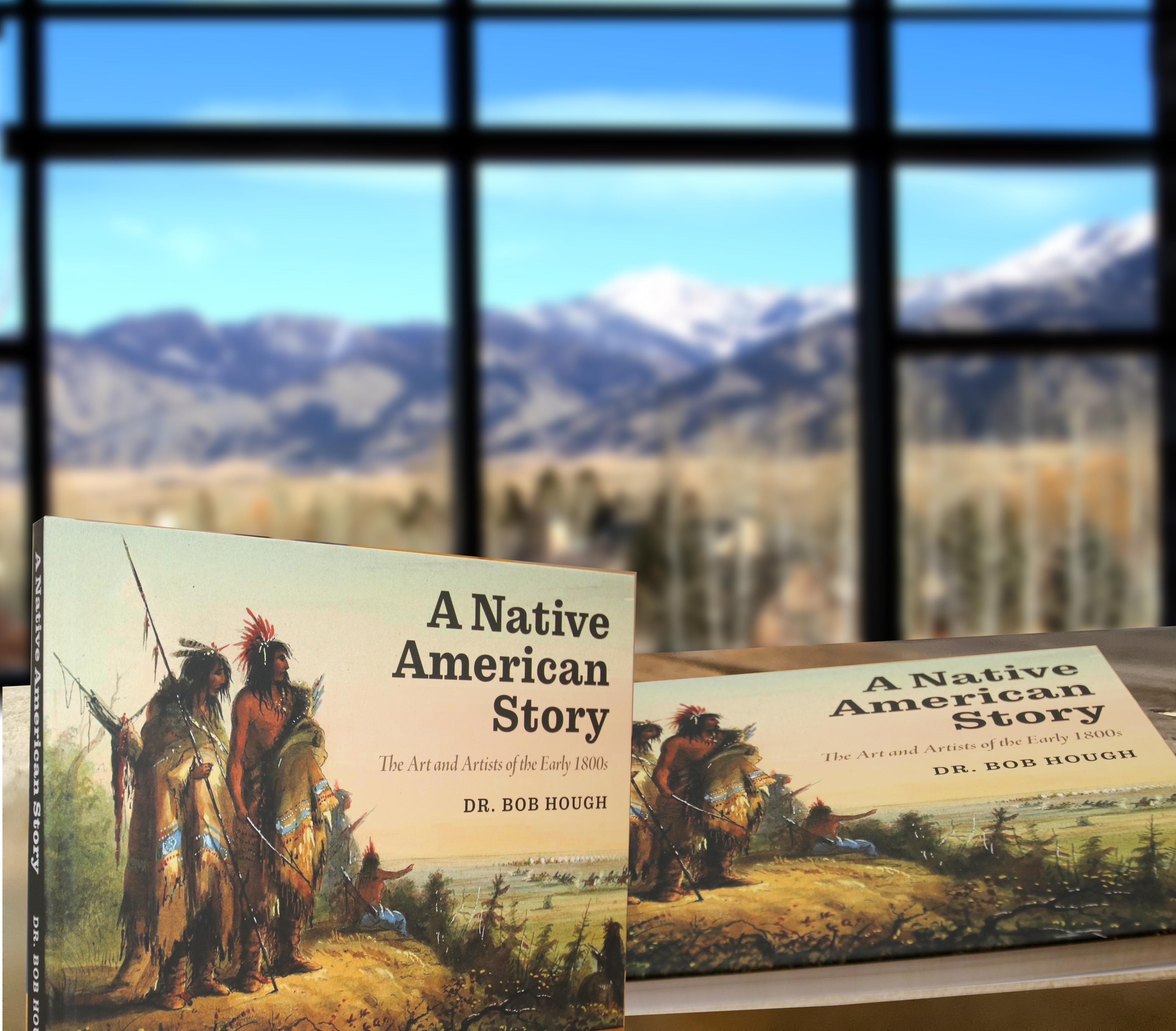
A Native
American Story
The Art and Artists of the Early 1800s
With the loss of more than 250 portraits of tribal leaders in the 1865 Smithsonian fire, the author scoured the globe to collect images of the lost paintings from these and other artists. This 224-page book represents a thoughtfully curated collection of 405 works of art from 83 museums, galleries and portfolios in the U.S., Canada, Great Britain, Continental Europe and Scandinavia.
Author Dr. Bob Hough
DR. BOB HOUGH IS A RENOWNED educator, author, and industry leader in the fields of animal agriculture and genetics. A graduate of Penn State University, he completed post-graduate work at the University of Connecticut and earned his Ph.D. at Virginia Tech. Hough is considered the leading historian in the cattle industry, and it is through his pursuit of knowledge on the history of animal agriculture that he has developed a desire to learn more about the history of Native Americans, as the two subjects are so interrelated. Hough’s legacy is evident in his writings, presentations and his leadership roles in various trade organizations. His written works include: The History of Red Angus; Breeds of Cattle; Simmental’s American Journey; Shorthorn and the American Cattle Industry; The History of Aberdeen-Angus in the U.S., UK and Worldwide; and Fort Keogh:100 Years of Research. He has written articles for over 50 different publications including magazines in Norway, New Zealand, Brazil, Sweden and Canada. For his books and frequent presentations—and for the joy of collecting art—Hough has amassed an estimated 30,000 historical electronic images, as well as a collection of physical works of art. His desire to share more of this collection was the impetus behind writing this book on Native American art.
About the author, A Native American Story
The Art and Artists of the Early 1800s
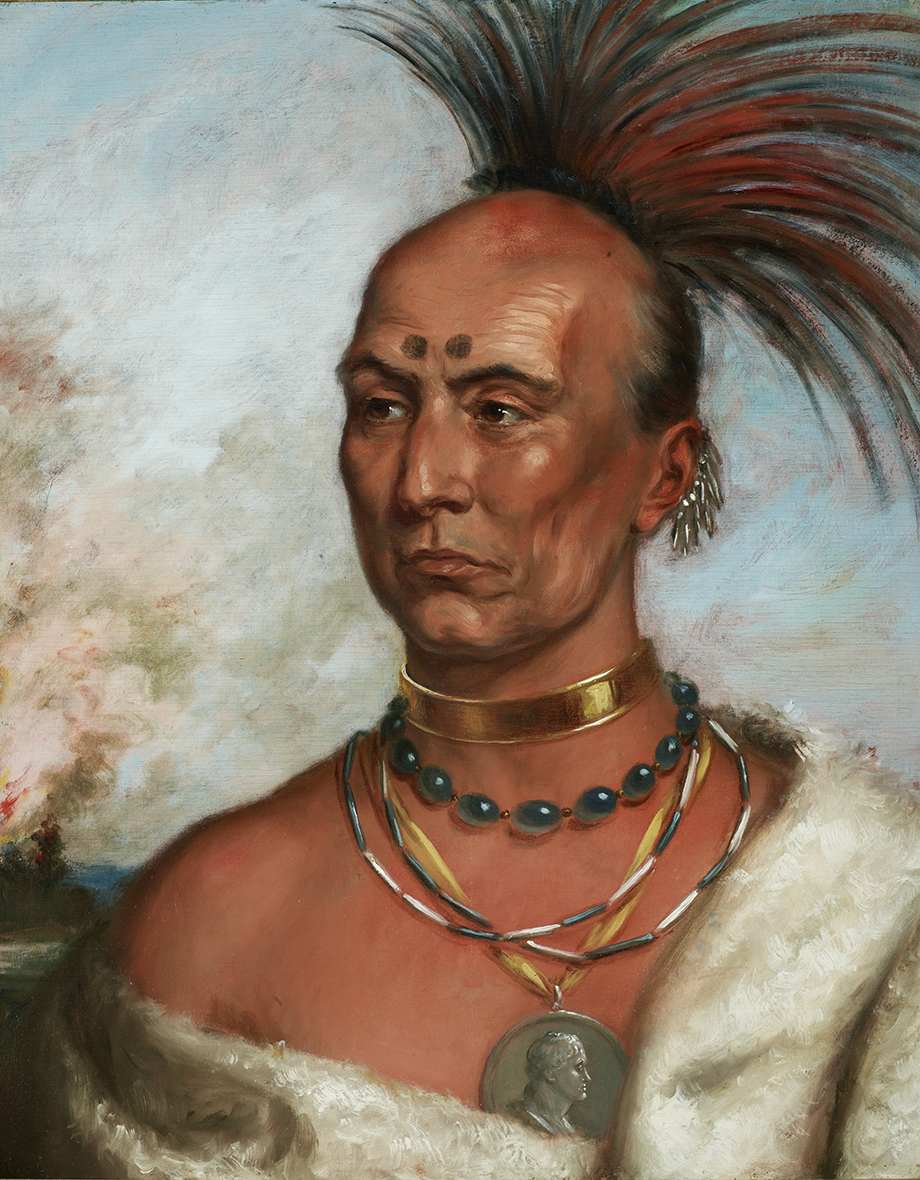

19th century. Incan Man, attributed to James Otto Lesis
Witnesses to History: Portrait Artists and the Native Nations
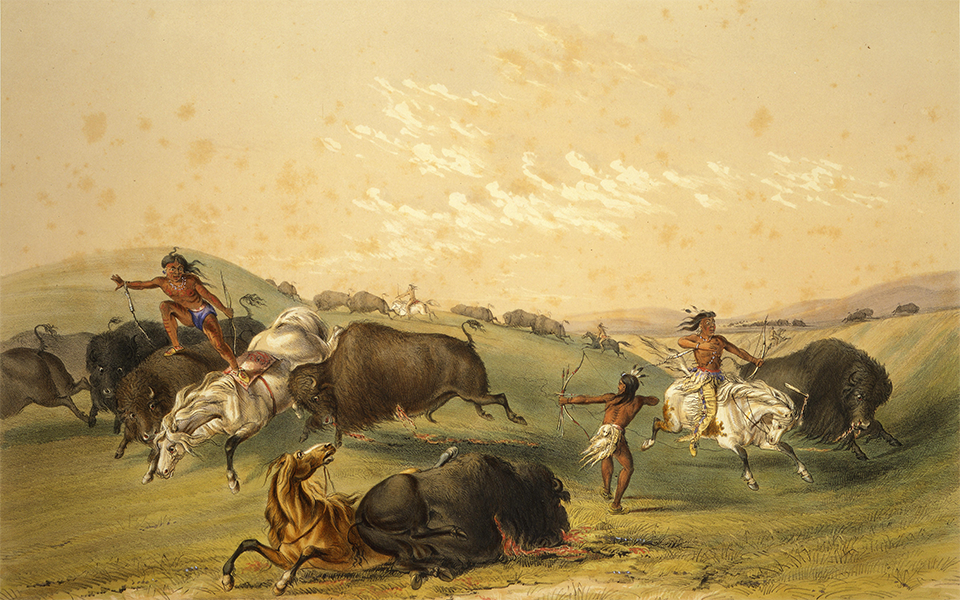
In the 1820s, the U.S. Department of War employed such gifted portrait artists as Charles Bird King, James Otto Lewis and Henry Inman, who set out to capture the tribal leaders of the day at treaty signings and negotiations east of the Mississippi River. Their goal was simply to witness and document the diverse native tribes and their soon-to-be lost culture. In the 1830s, major expeditions into the Great Plains were accompanied by artists including George Catlin, Karl Bodmer and Alfred Jacob Miller, who depicted the Plains Indians at a time when they still lived largely undisturbed by white settlers.
A beautifully crafted compilation of art and history, the newly released book, to benefit IGS
Excerpt from A Native American Story
The Art and Artists of the Early 1800s:
By Dr. Bob Hough
“Proceeds from the book are being donated to the American Simmental-Simbrah Foundation to support the multi-breed research done at the American Simmental Association’s subsidiary, International Genetic Solutions (IGS), as well as IGS’s biannual youth summit. The genetic prediction work done at IGS is one of the bedrocks of the U.S. and international cattle industry, and it is hoped that, in some small part, this book will aid in their continued success and support the services they provide to the cattle industry and the many partner breeds that utilize their genetic prediction services.”


The Art and Artists of the Early 1800s, is a retrospective of visionary artists.
These select painters and lithographers sought to portray the Native Americans factually, as they lived, before their way of life would be forever changed by Westward Expansion.

Catlin and his companion Batiste at the mouth of the Yellowstone River. Painted in 1832 by artist George Catlin.
Credit Smithsonian American Art

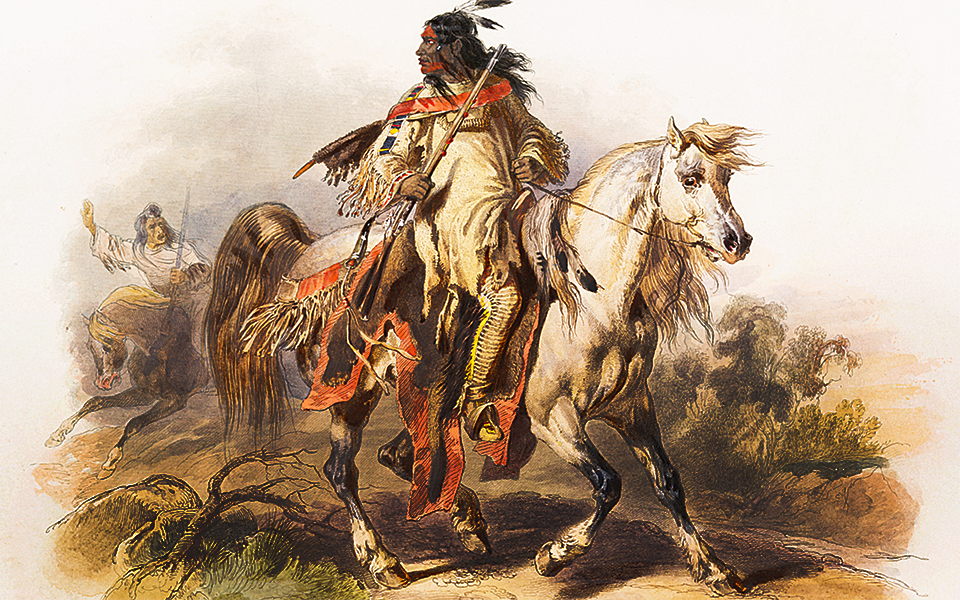
A Blackfoot Indian on horse-back. An 1840 aquatint print by Karl Bodmer. Credit New York Public Library.

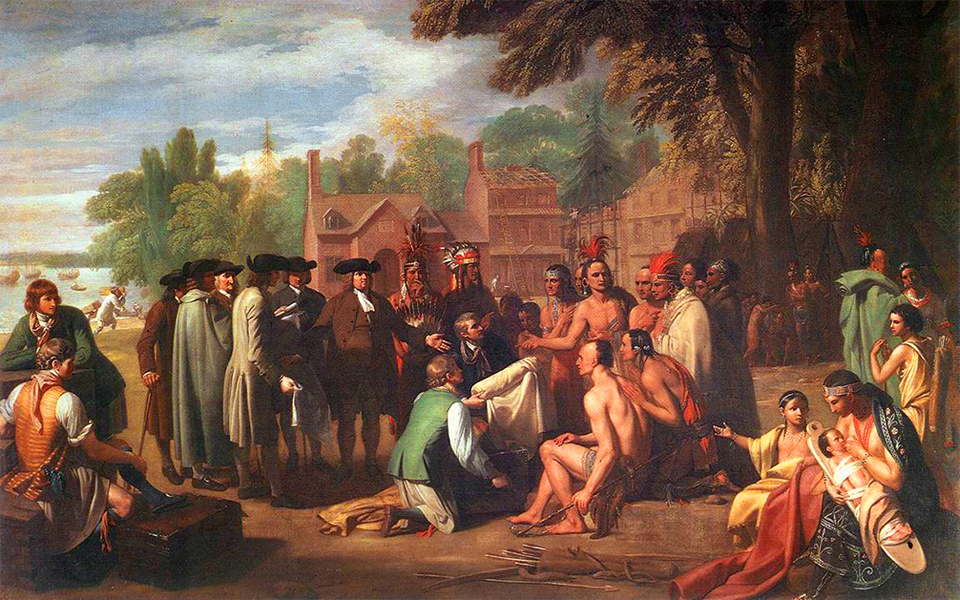
1682 Treaty of Penn ith the Lenape (Delaware Indians). Painted in 1771 by Benjamin West (1738-1820) Credit State Museum of Penn.